Top HR Priorities in Vietnam for 2025: What Companies Need to Focus On
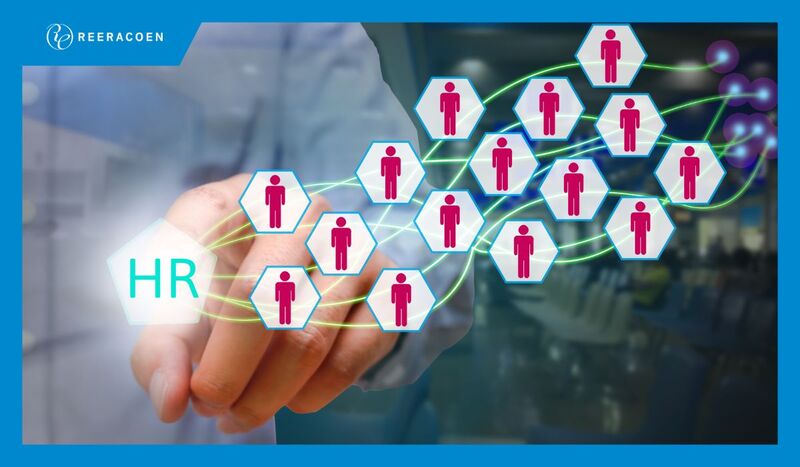
Top HR Priorities in Vietnam for 2025: What Companies Need to Focus On
As Vietnam continues to attract strong foreign investment and expand its economic footprint, HR leaders face a defining moment. Rapid technological change, rising turnover, and an evolving workforce mean that 2025 is a year where HR priorities will directly shape business success.
Recent surveys across Asia-Pacific reveal common concerns: adapting to AI, retaining skilled workers, and building future-ready talent pipelines. For Vietnam, these issues are even more pressing given the country’s position as a manufacturing powerhouse and emerging tech hub.
So, what should companies in Vietnam focus on in 2025 to remain competitive and sustainable?
1. Embracing AI and Digital Transformation
Vietnam’s government projects that AI adoption could add billions of dollars to GDP by 2030. Already, companies are using AI for tasks like recruitment screening, supply chain optimization, and customer service.
HR Implications:
-
AI in recruitment: Screening tools, predictive analytics, and chatbots can accelerate hiring while reducing bias.
-
Reskilling for digital roles: Employees need training in AI, data analysis, and digital literacy to remain competitive.
-
Balancing automation with human touch: While AI improves efficiency, companies must ensure candidate and employee experiences remain personalized.
Takeaway: HR teams should create AI-readiness strategies that blend technology with workforce development, ensuring employees evolve alongside automation.
2. Retaining Talent in a High-Turnover Market
Turnover remains one of Vietnam’s biggest workforce challenges. Studies show that certain industries, such as IT and retail, experience annual turnover rates exceeding 20–25%. For businesses, this means higher recruitment costs, knowledge loss, and reduced productivity.
HR Priorities for Retention:
-
Competitive rewards: Beyond salaries, flexible benefits, career growth opportunities, and wellness programs are top differentiators.
-
Career pathing: Employees who see clear advancement opportunities are far less likely to leave.
-
Cultural alignment: Strong workplace cultures based on recognition, respect, and teamwork drive loyalty.
Takeaway: In 2025, retention strategies will be as critical as recruitment itself. Companies that fail to prioritize retention risk losing their best people to foreign firms offering stronger packages.
3. Building Skills for the Future
Vietnam’s economy is shifting from labor-intensive industries to higher-value sectors like electronics, renewable energy, and digital services. This transition creates a skills mismatch—many workers lack the technical or soft skills needed for emerging roles.
HR Priorities for Upskilling:
-
Technical skills: Engineering, AI, renewable energy, and cybersecurity are high-demand areas.
-
Soft skills: Communication, problem-solving, and leadership remain essential for management and client-facing roles.
-
Continuous learning culture: Companies should embed training into daily work through e-learning, mentorship, and project-based learning.
Takeaway: Companies that invest in upskilling and reskilling in 2025 will not only close the talent gap but also build stronger employee loyalty.
4. Diversity, Equity & Inclusion (DEI)
As Vietnam integrates deeper into the global economy, multinational standards on DEI are becoming more important. Younger Vietnamese workers, particularly Gen Z, are vocal about wanting inclusive workplaces where diverse voices are heard.
HR Priorities for DEI:
-
Gender diversity in leadership: Support women in management roles through mentorship and flexible policies.
-
Generational diversity: Balance Baby Boomers, Gen X, Millennials, and Gen Z to maximize collaboration.
-
Inclusive culture: Training, unbiased recruitment, and transparent policies foster equality.
Takeaway: DEI is no longer just a compliance requirement — it is a business advantage that strengthens reputation and attracts top talent.
5. Workforce Well-being and Engagement
Burnout and disengagement are rising concerns in Vietnam’s competitive labor market. Surveys indicate that employee well-being directly correlates with retention and performance.
HR Priorities for Well-being:
-
Mental health support: Counseling services, wellness days, or access to stress management programs.
-
Work-life balance: Flexible work arrangements, parental leave, and reduced overtime expectations.
-
Recognition programs: Regular acknowledgment of contributions to boost morale and productivity.
Takeaway: Engagement and well-being should move from being “employee perks” to core business strategies in 2025.
6. Strengthening Leadership Pipelines
With turnover high and industries evolving, leadership development is a pressing HR priority. A lack of effective succession planning risks leaving companies vulnerable.
HR Priorities for Leadership:
-
Identify high potentials early: Use performance data and feedback tools to track promising employees.
-
Develop leadership skills: Training in strategy, communication, and digital fluency.
-
Succession planning: Structured pipelines ensure leadership continuity during retirements or exits.
Takeaway: Companies must view leadership development not as a “future” project but as an urgent 2025 priority.
Frequently Asked Questions (FAQ)
1. What are the top HR priorities in Vietnam for 2025?
The key priorities are AI adoption, retention, skills development, DEI, workforce well-being, and leadership succession.
2. Why is talent retention so difficult in Vietnam?
High turnover stems from competitive job markets, limited career progression, and rising salary expectations.
3. How should companies approach AI in HR?
Adopt AI tools for efficiency but balance with human-led interactions to maintain positive employee experiences.
4. What skills are most needed in Vietnam in 2025?
High-demand areas include engineering, AI, renewable energy, and leadership, alongside essential soft skills.
5. How can companies future-proof their workforce?
By embedding continuous learning, building leadership pipelines, and adopting holistic well-being strategies.
Stay ahead with Reeracoen’s insights.
Download our APAC Workforce Whitepaper 2025 to learn how Vietnam’s trends align with regional priorities.
Plan your HR strategy with confidence.
Contact Reeracoen Vietnam today for tailored workforce advisory and succession planning solutions.
Disclaimer:
The information provided in our blog articles is intended for general informational purposes only. It is not a substitute for professional advice and should not be relied upon as such.
While we strive to provide accurate and up-to-date information, the ever-evolving nature of certain topics may result in content becoming outdated or inaccurate over time. Therefore, we recommend consulting with qualified professionals or experts in the respective fields for specific advice or guidance. Any actions taken based on the information contained in our blog articles are solely at the reader's discretion and risk. We do not assume any responsibility or liability for any loss, damage, or adverse consequences incurred as a result of such actions.
We may occasionally provide links to external websites or resources for further information or reference. These links are provided for convenience and do not imply endorsement or responsibility for the content or accuracy of these external sources. Our blog articles may also include personal opinions, views, or interpretations of the authors, which do not necessarily reflect the views of our organisation as a whole. We encourage readers to verify the accuracy and relevance of information presented in our blog articles and to seek professional advice when needed.
Your use of this website and its content constitutes acceptance of this disclaimer.
References & Further Reading
Related Post
 Halloween Special: 7 Hiring Mistakes That Scare Good Candidates Away in VietnamManagement
Halloween Special: 7 Hiring Mistakes That Scare Good Candidates Away in Vietnam Halloween may be a light-hearted theme, but the hiring challenges...
 Quan Hệ Kinh Doanh Việt Nam - Nhật Bản Đang Thay Đổi: Ý Nghĩa Đối Với Nhân Tài Và Chiến Lược Tuyển DụngManagement
Quan Hệ Kinh Doanh Việt Nam - Nhật Bản Đang Thay Đổi: Ý Nghĩa Đối Với Nhân Tài Và Chiến Lược Tuyển Dụng Mối quan hệ kinh tế giữa Việt Nam và Nhật...
- Vietnam–Japan Business Is Evolving: What It Means for Talent and HiringManagement
Vietnam–Japan Business Is Evolving: What It Means for Talent and Hiring Vietnam and Japan's economic relationship has been substantial for years....
 Vì Sao Nhiều Ứng Viên Chưa Chắc Giúp Tuyển Dụng Dễ Hơn? - Bài Toán Tuyển Dụng Đúng NgườiManagement
Vì Sao Nhiều Ứng Viên Chưa Chắc Giúp Tuyển Dụng Dễ Hơn? - Bài Toán Tuyển Dụng Đúng Người Một quan niệm khá phổ biến của doanh nghiệp là: nếu một...