Generative AI in 2025: What Vietnamese Workers and Companies Need to Know
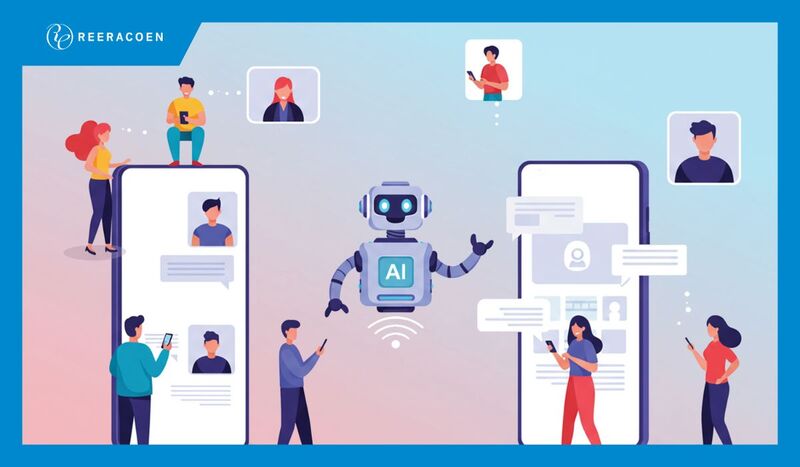
Generative AI in 2025: What Vietnamese Workers and Companies Need to Know
If 2023 was the year people first experimented with ChatGPT, then 2025 is the year Generative AI (GenAI) has become part of everyday work. From creating marketing campaigns to drafting legal contracts, generative AI tools like ChatGPT-5, Gemini, and others are reshaping the workplace globally—including Vietnam.
But what does Generative AI really mean? And more importantly, how will it impact workers looking to build career independence and companies hoping to stay competitive in Vietnam’s fast-changing economy?
What Is Generative AI?
Generative AI refers to artificial intelligence systems that can generate new content—text, images, code, videos, even music—based on massive amounts of data they are trained on. Unlike traditional AI that only analyzes or predicts, generative AI creates.
-
ChatGPT-5 can write articles, answer questions, and even provide coding solutions.
-
Design AI can generate product mock-ups, presentations, and branding visuals.
-
Coding AI can suggest or even automate software development.
This leap means more than automation—it means co-creation between humans and machines.
Why It Matters for Workers in Vietnam
Reshaping Entry-Level Jobs
-
Research shows that tasks like data entry, first-draft writing, and simple customer support are being rapidly automated.
-
In Vietnam, where outsourcing and BPO services form a strong sector, this could reshape demand for routine roles.
Creating New Career Opportunities
-
Generative AI is fueling demand for AI trainers, prompt engineers, data ethicists, and AI-integrated roles across industries.
-
Workers who can combine technical skills with human creativity and empathy will thrive.
Upskilling Is No Longer Optional
-
According to World Economic Forum research, 60% of workers globally will require reskilling by 2027 due to AI.
-
Vietnamese workers must view continuous learning—especially in digital, creative, and analytical skills—as a “career independence” strategy.
Why It Matters for Companies in Vietnam
Boosting Productivity
-
Companies using generative AI report time savings of up to 40% in tasks like report writing and marketing content creation.
-
For Vietnamese SMEs competing in global supply chains, this is a huge advantage.
Employer Branding & Talent Retention
Offering AI-powered tools signals innovation, making a company more attractive to young professionals and One Pass/Digital Professionals relocating to Vietnam.
Reskilling as a Loyalty Strategy
Investing in employee training for AI adoption not only builds capabilities but also increases retention by showing commitment to long-term career development.
Generative AI in Vietnam’s Context
-
Vietnam is one of Southeast Asia’s fastest-growing digital economies, with the AI market projected to reach US$1.2 billion by 2030.
-
Universities and tech hubs in Hanoi, Ho Chi Minh City, and Da Nang are already developing AI-focused programs.
-
Demand for AI-related jobs in Vietnam grew by more than 40% year-on-year in 2024.
Clearly, both workers and employers in Vietnam must adapt quickly to this transformation.
Practical Tips
For Workers
-
Learn how to use AI as a co-pilot, not a replacement. Tools like ChatGPT-5 should be part of your workflow, not feared.
-
Upskill in areas AI cannot replicate: leadership, empathy, cultural awareness, negotiation, and creativity.
-
Build a career portfolio that blends technical ability with adaptability.
For Employers
-
Audit tasks that can be streamlined with AI—reports, scheduling, marketing.
-
Provide AI training workshops to employees.
-
Highlight AI adoption in employer branding, attracting skilled local and international talent.
Frequently Asked Questions (FAQ)
1. What is Generative AI in simple terms?
It’s a type of artificial intelligence that creates new content (like text, images, or code) instead of just analyzing data.
2. Will AI replace jobs in Vietnam?
AI will automate some routine tasks, but it will also create new opportunities in technology, creativity, and human-centered roles.
3. What skills should workers in Vietnam learn for the AI era?
Digital literacy, prompt engineering, data analysis, and soft skills like leadership, problem-solving, and empathy.
4. How can companies in Vietnam use Generative AI?
To improve productivity, cut repetitive workload, enhance employee experience, and boost employer branding.
5. Does Vietnam have a future in AI?
Yes. With government support and a growing digital economy, Vietnam is positioned to become a regional hub for AI innovation and workforce growth.
Stay ahead of workforce trends and build AI-ready teams with Reeracoen’s insights.
Partner with us today!
Ready to upskill and secure your career independence in the AI era?
Explore opportunities with Reeracoen and browse jobs here!

Disclaimer:
The information provided in our blog articles is intended for general informational purposes only. It is not a substitute for professional advice and should not be relied upon as such.
While we strive to provide accurate and up-to-date information, the ever-evolving nature of certain topics may result in content becoming outdated or inaccurate over time. Therefore, we recommend consulting with qualified professionals or experts in the respective fields for specific advice or guidance. Any actions taken based on the information contained in our blog articles are solely at the reader's discretion and risk. We do not assume any responsibility or liability for any loss, damage, or adverse consequences incurred as a result of such actions.
We may occasionally provide links to external websites or resources for further information or reference. These links are provided for convenience and do not imply endorsement or responsibility for the content or accuracy of these external sources. Our blog articles may also include personal opinions, views, or interpretations of the authors, which do not necessarily reflect the views of our organisation as a whole. We encourage readers to verify the accuracy and relevance of information presented in our blog articles and to seek professional advice when needed.
Your use of this website and its content constitutes acceptance of this disclaimer.
References
Related Post
 “Tôi luôn ở đây vì bạn”: Khi Reeracoen Way không chỉ còn là lời nóiGeneral
“Tôi luôn ở đây vì bạn”: Khi Reeracoen Way không chỉ còn là lời nói Tại một ngôi làng dành cho trẻ em ở Philippines, cách xa những văn phòng...
- “I’m Here for You”: When the Reeracoen Way Became More Than WordsGeneral
“I’m Here for You”: When the Reeracoen Way Became More Than Words In a children’s village in the Philippines, far from Reeracoen’s offices across...
 3 Thách thức Tuyển Dụng Nhân Sự Lớn Doanh nghiệp Việt Nam Phải Đối Mặt trong 2026General
3 Thách thức Tuyển Dụng Nhân Sự Lớn Doanh nghiệp Việt Nam Phải Đối Mặt trong 2026 KẾT QUẢ CHÍNH — Báo cáo Xu hướng và Kỳ vọng Người Lao động Việt...
- The Triple Constraint: Why Vietnam Employers Are Losing the Talent War on Three Simultaneous Fronts in 2026General
The Triple Constraint: Why Vietnam Employers Are Losing the Talent War on Three Simultaneous Fronts in 2026 KEY FINDINGS — Vietnam Worker...