Tết Dos and Don’ts 2026: Traditions, Taboos, and Common Workplace Mistakes
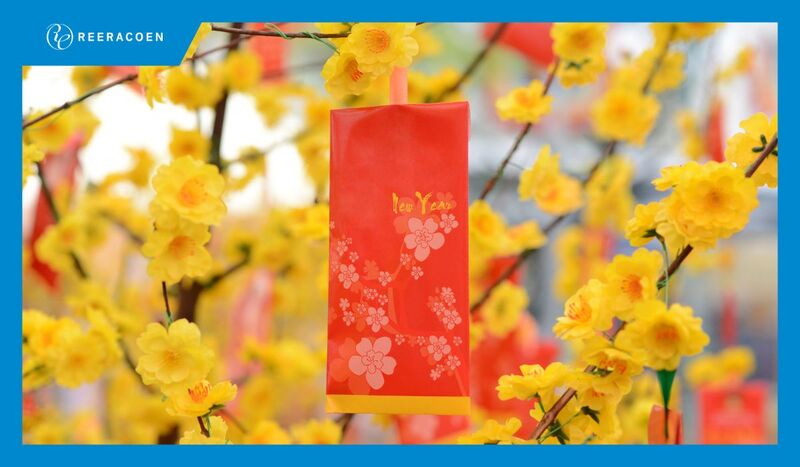
Tết Dos and Don’ts 2026: Traditions, Taboos, and Common Workplace Mistakes
This article is written in English for readers in Vietnam. Vietnamese and Japanese translations are available on our website.
Why Tết Etiquette Still Matters at Work in 2026
Tết is Vietnam’s most important cultural celebration. While workplaces may slow down or close during the holiday period, expectations around behaviour, communication, and professionalism do not disappear.
In 2026, as workplaces become more diverse and cross-cultural, understanding Tết etiquette is increasingly important for both employers and professionals. Missteps during this period can unintentionally affect relationships, trust, and workplace harmony.
Knowing what to do, and what to avoid, helps ensure a respectful and smooth transition into the post-Tết working period.
Tết Traditions That Influence Workplace Norms
Many workplace practices around Tết are shaped by cultural traditions.
Common influences include:
-
Respect for seniority and leadership during greetings
-
Emphasis on positive language and good intentions
-
Sensitivity around timing, especially before and after Tết
-
Strong value placed on relationships and harmony
Understanding these underlying values helps explain why certain behaviours are appreciated or discouraged.
Tết Dos: What Is Appropriate at Work
During the Tết period and the return to work, appropriate practices include:
-
Exchanging polite greetings and well wishes
-
Being patient with slower responses before Tết
-
Showing respect to colleagues returning from leave
-
Using positive and considerate language
For employers, acknowledging Tết thoughtfully can help reinforce inclusion and morale.
Tết Don’ts: Common Mistakes to Avoid
Despite good intentions, some actions can cause discomfort.
Common workplace mistakes include:
-
Discussing sensitive topics such as finances or personal matters
-
Making negative or joking remarks about bonuses or leave
-
Applying pressure on colleagues during the holiday period
-
Ignoring cultural sensitivities around words, symbols, or timing
Avoiding these behaviours helps maintain professionalism and respect.
Navigating Tết in Multinational and Cross-Cultural Teams
In international or multicultural workplaces, expectations may vary.
Good practices include:
-
Communicating clearly about schedules and availability
-
Being mindful of colleagues who do not celebrate Tết
-
Avoiding assumptions about participation or beliefs
-
Aligning expectations between local and regional teams
Clarity and empathy help prevent misunderstandings during this period.
Post-Tết Workplace Etiquette: The First Days Back
The return to work after Tết sets the tone for the year ahead.
Both employers and employees should:
-
Ease back into work with realistic expectations
-
Prioritise alignment meetings and updates
-
Maintain professionalism even in informal settings
-
Address any issues calmly and respectfully
A thoughtful post-Tết approach supports smoother transitions and better collaboration.
How Employers Can Set the Right Tone
Employers play a key role in shaping post-Tết workplace culture.
Helpful actions include:
-
Communicating expectations clearly
-
Respecting work-life boundaries around the holiday
-
Promoting inclusive and respectful behaviour
-
Leading by example in tone and conduct
These actions help reinforce trust and stability across teams.
Frequently Asked Questions (FAQ)
1. Is it appropriate to discuss work matters during Tết?
Only if necessary. Most communication should be kept light and respectful.
2. Should employers expect full productivity immediately after Tết?
It is better to allow a short adjustment period for teams to realign.
3. Are Tết customs still relevant in modern workplaces?
Yes. Cultural awareness remains important even in modern, globalised environments.
4. How should multinational teams approach Tết etiquette?
Through clear communication, respect, and cultural sensitivity.
5. Can Tết etiquette affect workplace relationships?
Yes. Thoughtful behaviour helps build trust and long-term rapport.
Navigating Workplace Culture in Vietnam?
Understanding culture supports better working relationships.
👉 For employers: Consult Reeracoen Vietnam on workplace culture, HR norms, and people management
👉 For professionals: Register your profile to explore opportunities with culturally respectful employers
✅ Final Author Credit
-
By Valerie Ong (Regional Marketing Manager)
-
Published by Reeracoen Vietnam — a leading recruitment agency in APAC.
🔗 Related Articles
-
Post-Tet Hiring Trends: What Vietnam Employers Are Seeing in 2026
-
Inclusive Hiring in Vietnam: Building Fair and Sustainable Teams
-
Are You Job-Ready After Tet? A Recruiter’s Checklist for Vietnam Professionals
📚 References
-
Vietnam labour market data and employment statistics from the General Statistics Office (GSO)
-
Hiring and market insights from Reeracoen Vietnam

Disclaimer:
The information provided in our blog articles is intended for general informational purposes only. It is not a substitute for professional advice and should not be relied upon as such.
While we strive to provide accurate and up-to-date information, the ever-evolving nature of certain topics may result in content becoming outdated or inaccurate over time. Therefore, we recommend consulting with qualified professionals or experts in the respective fields for specific advice or guidance. Any actions taken based on the information contained in our blog articles are solely at the reader's discretion and risk. We do not assume any responsibility or liability for any loss, damage, or adverse consequences incurred as a result of such actions.
We may occasionally provide links to external websites or resources for further information or reference. These links are provided for convenience and do not imply endorsement or responsibility for the content or accuracy of these external sources. Our blog articles may also include personal opinions, views, or interpretations of the authors, which do not necessarily reflect the views of our organisation as a whole. We encourage readers to verify the accuracy and relevance of information presented in our blog articles and to seek professional advice when needed.
Your use of this website and its content constitutes acceptance of this disclaimer.
Related Post
 “Tôi luôn ở đây vì bạn”: Khi Reeracoen Way không chỉ còn là lời nóiGeneral
“Tôi luôn ở đây vì bạn”: Khi Reeracoen Way không chỉ còn là lời nói Tại một ngôi làng dành cho trẻ em ở Philippines, cách xa những văn phòng...
- “I’m Here for You”: When the Reeracoen Way Became More Than WordsGeneral
“I’m Here for You”: When the Reeracoen Way Became More Than Words In a children’s village in the Philippines, far from Reeracoen’s offices across...
 3 Thách thức Tuyển Dụng Nhân Sự Lớn Doanh nghiệp Việt Nam Phải Đối Mặt trong 2026General
3 Thách thức Tuyển Dụng Nhân Sự Lớn Doanh nghiệp Việt Nam Phải Đối Mặt trong 2026 KẾT QUẢ CHÍNH — Báo cáo Xu hướng và Kỳ vọng Người Lao động Việt...
- The Triple Constraint: Why Vietnam Employers Are Losing the Talent War on Three Simultaneous Fronts in 2026General
The Triple Constraint: Why Vietnam Employers Are Losing the Talent War on Three Simultaneous Fronts in 2026 KEY FINDINGS — Vietnam Worker...