Why 2026 Is Vietnam’s Year of Green Transformation
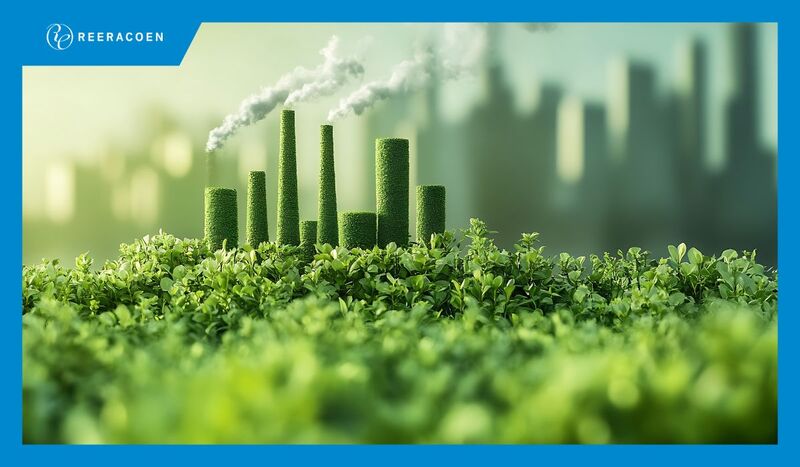
Why 2026 Is Vietnam’s Year of Green Transformation
This article is written in English for readers in Vietnam. Vietnamese and Japanese translations are available on our website.
Vietnam is entering a defining decade of green transformation — a shift that will reshape not only the economy but also the job market, corporate responsibility, and investment strategies. As global supply chains move toward ESG (Environmental, Social, Governance) compliance and carbon neutrality, 2026 stands out as a pivotal year for Vietnam to accelerate its green ambitions.
From banking and manufacturing to energy and recruitment, sustainability is no longer optional — it’s a growth strategy.
🌏 1. Vietnam’s Green Turning Point: Policy Meets Progress
Vietnam has pledged to achieve net-zero emissions by 2050, with major support from international partners under the Just Energy Transition Partnership (JETP). By 2026, key milestones include:
Launch of the Carbon Credit Trading Pilot Scheme (MOIT 2025–2026).
Expansion of solar and wind capacity to 47GW under Power Development Plan 8.
Increased green financing from regional banks like DBS, UOB, and HSBC, funding sustainable infrastructure and clean-tech innovation.
According to the World Bank, Vietnam could attract US$370 billion in green investments by 2040 if reforms continue at this pace.
💼 2. The Rise of Green Jobs: What’s in Demand?
The transition isn’t just about policy — it’s reshaping talent needs.
Top Emerging Green Roles in Vietnam (2025–2026):
|
Category |
Example Roles |
Typical Employers |
Notes |
|---|---|---|---|
|
Renewable Energy |
Solar Engineer, Wind Farm Project Lead |
Power firms, EPC contractors |
High FDI demand |
|
ESG & Sustainability |
ESG Analyst, Compliance Officer |
Banks, MNCs, Consulting |
+15% salary premium |
|
Green Manufacturing |
EHS Manager, Circular Supply Chain Specialist |
Electronics, Automotive |
Driven by export compliance |
|
Finance & Investment |
Green Loan Officer, Impact Investment Advisor |
DBS, UOB, HSBC |
Sustainable finance growth |
|
Technology & Data |
Carbon Data Analyst, AI Energy Optimiser |
Tech startups |
ESG + AI hybrid skills rising |
(Source: Reeracoen Vietnam Salary Guide 2025, AON SEA Sustainability Index 2025)
🏦 3. Corporate Leadership in Action: UOB & DBS Leading the Shift
Both DBS Bank and UOB Vietnam have accelerated their sustainable financing programs:
-
DBS committed S$50 billion in sustainable finance by 2026, supporting energy transition and green innovation across Asia.
-
UOB Vietnam launched Green Business Transformation Loans, helping SMEs reduce carbon footprints through digital and energy-efficient upgrades.
These initiatives ripple across industries — encouraging Vietnamese firms to adopt ESG-based reporting and green HR policies to attract purpose-driven talent.
🌿 4. Green HR: From CSR to ESG-Centric Culture
Vietnamese companies are realising that sustainability starts with people.
-
64% of HR leaders now prioritise green skills training (Reeracoen × Rakuten Insight Whitepaper 2025).
-
3 in 5 professionals prefer to work for environmentally responsible employers.
Green transformation is becoming a recruitment differentiator, not just a compliance box.
📘 Related Reading: [Beyond Pay: What Vietnamese Professionals Want in 2026]
🔋5. The Road Ahead: Challenges to Overcome
While optimism is high, barriers remain:
-
Limited ESG literacy among SMEs.
-
Fragmented certification standards.
-
Shortage of bilingual ESG specialists able to work with Japanese and regional partners.
However, government partnerships with UNDP and MOIT aim to build a National Green Skills Framework by 2026, aligning education, training, and private sector needs.
🌱6. How Companies Can Start Their Green Journey
-
Audit your carbon impact — begin with energy, logistics, and waste.
-
Upskill employees — offer sustainability training and digital transformation workshops.
-
Embed ESG in KPIs — include social and governance metrics in performance appraisals.
-
Communicate transparently — publish sustainability reports and share progress with stakeholders.
-
Partner with responsible recruiters — find talent who align with your ESG values.
📘 Related Reading: [Building Resilient Teams – Adaptability in 2026 Workplaces]
🔍 FAQ
Q1. What sectors are driving Vietnam’s green transformation?
Energy, finance, and manufacturing — led by renewable projects, green financing, and export-linked ESG mandates.
Q2. Are green jobs limited to technical fields?
No. HR, marketing, and procurement roles increasingly require ESG understanding.
Q3. How do bilingual professionals benefit?
They’re highly sought after by Japanese and Singaporean investors seeking ESG-aligned operations in Vietnam.
Q4. What’s the long-term outlook?
By 2030, Vietnam’s green economy could contribute over 10% to GDP, creating hundreds of thousands of new jobs.
👩💼 For Jobseekers: [Submit Your CV — Join Vietnam’s green economy and find purpose-driven roles.]
💼 For Employers: [Book a Consultation — Build ESG-ready teams with Reeracoen Vietnam’s green recruitment insights.]
✅ Final Author Credit
-
By Valerie Ong (Regional Marketing Manager)
-
Published by Reeracoen Vietnam — a leading recruitment agency in APAC.
🔗 Related Internal Articles
📚 References
-
Reeracoen Vietnam Salary Guide 2025 (Placement Data 2024–2025)
-
AON Southeast Asia Sustainability & Pay Outlook 2025
-
DBS Sustainability Report 2025
-
UOB Green Circular Economy Initiative 2025
-
Vietnam Ministry of Industry & Trade (MOIT) JETP Implementation Roadmap 2025–2026

Disclaimer:
The information provided in our blog articles is intended for general informational purposes only. It is not a substitute for professional advice and should not be relied upon as such.
While we strive to provide accurate and up-to-date information, the ever-evolving nature of certain topics may result in content becoming outdated or inaccurate over time. Therefore, we recommend consulting with qualified professionals or experts in the respective fields for specific advice or guidance. Any actions taken based on the information contained in our blog articles are solely at the reader's discretion and risk. We do not assume any responsibility or liability for any loss, damage, or adverse consequences incurred as a result of such actions.
We may occasionally provide links to external websites or resources for further information or reference. These links are provided for convenience and do not imply endorsement or responsibility for the content or accuracy of these external sources. Our blog articles may also include personal opinions, views, or interpretations of the authors, which do not necessarily reflect the views of our organisation as a whole. We encourage readers to verify the accuracy and relevance of information presented in our blog articles and to seek professional advice when needed.
Your use of this website and its content constitutes acceptance of this disclaimer.
Related Post
 “Tôi luôn ở đây vì bạn”: Khi Reeracoen Way không chỉ còn là lời nóiGeneral
“Tôi luôn ở đây vì bạn”: Khi Reeracoen Way không chỉ còn là lời nói Tại một ngôi làng dành cho trẻ em ở Philippines, cách xa những văn phòng...
- “I’m Here for You”: When the Reeracoen Way Became More Than WordsGeneral
“I’m Here for You”: When the Reeracoen Way Became More Than Words In a children’s village in the Philippines, far from Reeracoen’s offices across...
 3 Thách thức Tuyển Dụng Nhân Sự Lớn Doanh nghiệp Việt Nam Phải Đối Mặt trong 2026General
3 Thách thức Tuyển Dụng Nhân Sự Lớn Doanh nghiệp Việt Nam Phải Đối Mặt trong 2026 KẾT QUẢ CHÍNH — Báo cáo Xu hướng và Kỳ vọng Người Lao động Việt...
- The Triple Constraint: Why Vietnam Employers Are Losing the Talent War on Three Simultaneous Fronts in 2026General
The Triple Constraint: Why Vietnam Employers Are Losing the Talent War on Three Simultaneous Fronts in 2026 KEY FINDINGS — Vietnam Worker...