World Mental Health Day 2025: How Vietnamese Companies Can Prioritise Employee Well-Being
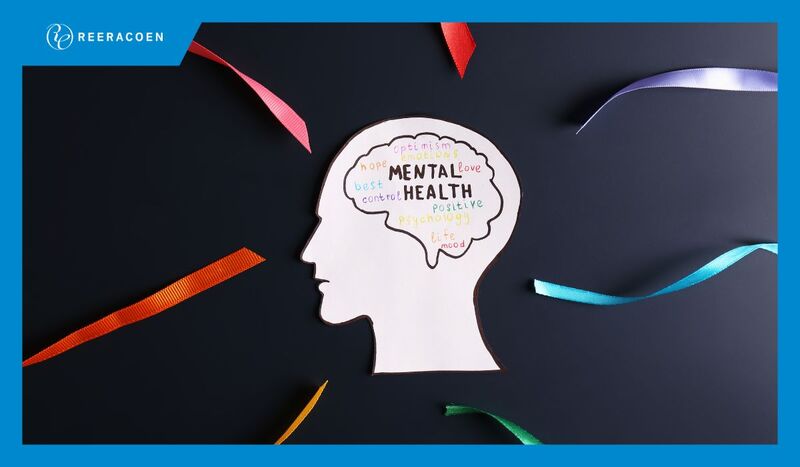
World Mental Health Day 2025: How Vietnamese Companies Can Prioritise Employee Well-Being
Every year on October 10, the world observes World Mental Health Day, a campaign led by the World Health Organization (WHO) to raise awareness of mental health issues. For Vietnamese companies, this day carries particular urgency. As Vietnam’s economy grows at one of the fastest rates in Southeast Asia, the pressure on employees to deliver more with fewer resources is creating invisible costs: stress, burnout, and turnover.
Employee well-being is no longer a “soft issue.” It is a business-critical factor that influences productivity, retention, and employer branding. The question for business leaders is simple: how can companies in Vietnam take meaningful action beyond October 10?
The State of Workplace Mental Health in Vietnam
Vietnam has made progress in recognising mental health as a public health issue, but stigma remains strong in workplaces. Key insights:
-
High stress levels: A 2024 survey by the Ministry of Health and UNICEF found that over 40% of working-age Vietnamese reported experiencing stress or anxiety symptoms in the past year.
-
Burnout on the rise: According to a 2025 report by the Vietnam Chamber of Commerce and Industry (VCCI), 58% of HR leaders identified burnout as the top cause of declining productivity in their organisations.
-
Generational differences: Gen Z workers, who now make up nearly 30% of Vietnam’s workforce, are more open to discussing mental health but also report the highest levels of workplace anxiety.
These figures highlight why employers must view well-being as both a moral responsibility and a strategic advantage.
Best Practices for Vietnamese Companies
1. Normalise Conversations Around Mental Health
-
Stigma is the biggest barrier. Leaders can:
-
Host awareness sessions during World Mental Health Day.
-
Encourage managers to share their own experiences with stress.
-
Provide confidential employee assistance programs (EAPs).
Why it matters: According to WHO, companies that run mental health awareness campaigns see up to a 20% reduction in stigma-related absenteeism.
2. Redesign Workloads and Prevent Burnout
-
Introduce mandatory rest periods for high-pressure teams.
-
Monitor overtime and discourage “always-on” digital culture.
-
Use HR analytics to spot departments with chronic overwork.
Case in point: A 2024 HRD Asia study found that 57% of employees across APAC reported burnout due to absent peers or unbalanced workloads — a trend also visible in Vietnam.
3. Provide Flexible Work Arrangements
Work-life balance is central to mental health. Vietnamese companies can:
-
Allow hybrid schedules for eligible roles.
-
Offer flexible start and end times to ease commuting stress.
-
Provide paid family or caregiving leave.
Why it matters: Deloitte’s 2024 survey revealed that 83% of Vietnamese women under 35 ranked flexibility as the #1 factor in choosing an employer.
4. Offer Comprehensive Mental Health Benefits
Traditional health insurance often excludes mental health. Employers can expand coverage by:
-
Including counselling sessions in benefits packages.
-
Subsidising wellness apps or mindfulness courses.
-
Partnering with local clinics to provide discounted therapy.
5. Train Managers to Spot Red Flags
Frontline managers are the first to notice changes in employee behaviour. Companies should:
-
Provide mental health first aid training.
-
Encourage managers to schedule regular one-on-one check-ins.
-
Build escalation pathways for employees at risk.
Why Mental Health Pays Off
Investing in well-being is not just about compassion. It delivers ROI:
-
The WHO estimates that every USD 1 invested in mental health yields USD 4 in improved health and productivity.
-
Companies with strong well-being programs report 25% lower turnover compared to peers (Gallup, 2024).
-
In Vietnam, businesses prioritising mental health have reported higher employee engagement scores and stronger employer branding, especially in competitive industries like tech and finance.
FAQs: World Mental Health Day and Vietnamese Workplaces
Q1: Why should Vietnamese companies observe World Mental Health Day?
Because it creates a platform to talk openly about issues often hidden at work, while signalling commitment to employee well-being.
Q2: What are the most common mental health issues among workers in Vietnam?
Stress, anxiety, and burnout are the most widely reported.
Q3: How can HR teams start small?
By providing awareness training, introducing EAPs, and encouraging open dialogue at team meetings.
Q4: What role does leadership play?
Leaders set the tone. Their openness, policies, and resource allocation decide whether mental health is a priority or an afterthought.
Conclusion: Beyond October 10
World Mental Health Day is a reminder — but the real test is what companies do every other day of the year. Vietnamese businesses that invest in employee well-being build resilient, productive, and loyal teams. In a competitive labour market, that is the ultimate advantage.
👉 For Employers: Want to build stronger well-being strategies in your organisation? Connect with Reeracoen Vietnam for tailored HR solutions.
👉 For Job Seekers: Looking for supportive workplaces that value mental health? Submit your CV with Reeracoen Vietnam and discover companies that care.
Disclaimer:
The information provided in our blog articles is intended for general informational purposes only. It is not a substitute for professional advice and should not be relied upon as such.
While we strive to provide accurate and up-to-date information, the ever-evolving nature of certain topics may result in content becoming outdated or inaccurate over time. Therefore, we recommend consulting with qualified professionals or experts in the respective fields for specific advice or guidance. Any actions taken based on the information contained in our blog articles are solely at the reader's discretion and risk. We do not assume any responsibility or liability for any loss, damage, or adverse consequences incurred as a result of such actions.
We may occasionally provide links to external websites or resources for further information or reference. These links are provided for convenience and do not imply endorsement or responsibility for the content or accuracy of these external sources. Our blog articles may also include personal opinions, views, or interpretations of the authors, which do not necessarily reflect the views of our organisation as a whole. We encourage readers to verify the accuracy and relevance of information presented in our blog articles and to seek professional advice when needed.
Your use of this website and its content constitutes acceptance of this disclaimer.
References:
-
WHO — Mental health at work (fact sheet)
https://www.who.int/news-room/fact-sheets/detail/mental-health-at-work
-
WHO / ILO guidelines on mental health at work (book on NCBI)
https://www.ncbi.nlm.nih.gov/books/NBK586364/
-
Deloitte — Gen Z & Millennial Survey (SEA / workplace)
https://www.deloitte.com/southeast-asia/en/issues/work/content/genz-millennialsurvey.html
-
Gallup — State of the Global Workplace
https://www.gallup.com/workplace/349484/state-of-the-global-workplace.aspx
-
World Economic Forum — World Mental Health Day workplace tips
https://www.weforum.org/stories/2024/10/world-mental-health-day-work/
-
ILOSTAT — country profiles / labour statistics (Vietnam)
https://ilostat.ilo.org/data/country-profiles/
-
World Bank — Gender Data Portal (Vietnam)
https://genderdata.worldbank.org/en/country-profiles/
Related Post
 Halloween Special: 7 Hiring Mistakes That Scare Good Candidates Away in VietnamManagement
Halloween Special: 7 Hiring Mistakes That Scare Good Candidates Away in Vietnam Halloween may be a light-hearted theme, but the hiring challenges...
 Quan Hệ Kinh Doanh Việt Nam - Nhật Bản Đang Thay Đổi: Ý Nghĩa Đối Với Nhân Tài Và Chiến Lược Tuyển DụngManagement
Quan Hệ Kinh Doanh Việt Nam - Nhật Bản Đang Thay Đổi: Ý Nghĩa Đối Với Nhân Tài Và Chiến Lược Tuyển Dụng Mối quan hệ kinh tế giữa Việt Nam và Nhật...
- Vietnam–Japan Business Is Evolving: What It Means for Talent and HiringManagement
Vietnam–Japan Business Is Evolving: What It Means for Talent and Hiring Vietnam and Japan's economic relationship has been substantial for years....
 Vì Sao Nhiều Ứng Viên Chưa Chắc Giúp Tuyển Dụng Dễ Hơn? - Bài Toán Tuyển Dụng Đúng NgườiManagement
Vì Sao Nhiều Ứng Viên Chưa Chắc Giúp Tuyển Dụng Dễ Hơn? - Bài Toán Tuyển Dụng Đúng Người Một quan niệm khá phổ biến của doanh nghiệp là: nếu một...