Typhoon Matmo’s Impact on Northern Vietnam: Resilience in Action
Typhoon Matmo’s Impact on Northern Vietnam: Resilience in Action
On October 5, 2025, Typhoon Matmo (Typhoon No. 11) moved into the southern China border area and weakened into a tropical depression, but this was only the beginning of a larger “weather nightmare.”
The typhoon’s circulation unleashed a chain reaction of widespread heavy rainfall, river flooding, flash floods, and landslides across Vietnam’s northern and midland regions.
For many northern provinces, this became a case of “disaster upon disaster.” With soil already saturated from the previous storm - Bualoi, Matmo’s residual circulation pushed local infrastructure beyond capacity — flooding dikes, canals, and low-lying residential zones.
Beyond immediate damage to infrastructure and production costs, the storm’s long-term impact has extended to community livelihoods and business operations across Vietnam.
Record Rainfall and Flooding in Northern Provinces
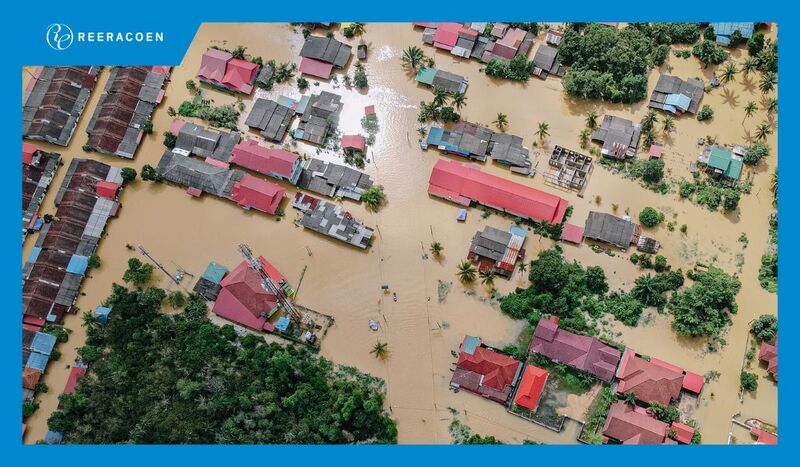
Since October 6, 2025, provinces such as Thái Nguyên, Bắc Giang, Tuyên Quang, and Bắc Ninh have suffered historic rainfall and flooding caused by Matmo’s circulation.
According to the National Steering Committee for Natural Disaster Prevention and Control, rainfall in some areas reached 400–500 mm, flooding more than 200,000 homes and causing significant losses in agriculture, aquaculture, and livestock.
This has been described as the most severe flooding in Thái Nguyên in over 40 years. Central areas like Phan Đình Phùng, Gia Sàng, and Quan Triều were inundated up to roof level, paralyzing traffic, power, and communications.
Many industrial parks were forced to suspend operations, disrupting supply chains, HR planning, and production schedules for hundreds of companies — especially manufacturers and FDI enterprises.
A Double Challenge: When Natural Disasters Test Business Resilience
Natural disasters are not only environmental issues — they are also a critical test of corporate resilience.
According to the World Bank (2024), climate and disaster-related risks cost Vietnam an average of 3.2% of GDP per year, equivalent to USD 10 billion.
Beyond human and property losses, recent floods in Thái Nguyên and surrounding provinces have revealed three major impacts:
-
Operational and supply chain disruption: Many factories had to suspend production due to power outages and restricted mobility. Some FDI companies in Sông Công
-
Industrial Park reported losses of billions of VND within just a few days.
-
Direct impact on employees: Many workers lost their homes, means of transportation, or had to take temporary leave. This led not only to income loss but also to psychological stress and lower productivity after the disaster.
- Recruitment and HR disruptions: Interview, onboarding, and training schedules were delayed, particularly for companies in expansion phases.
How Businesses Can Respond and Recover Effectively
1. Conduct risk assessments and develop a Disaster Recovery Plan (DRP)
-
Map disaster risks for each operational location.
-
Establish emergency communication channels to keep all employees informed.
-
Store critical data on the cloud to minimize operational disruption.
2. Adopt flexible HR and safety policies
-
Allow remote work when travel becomes unsafe.
-
Implement emergency paid leave for heavily affected employees.
-
Deploy technical teams to inspect electrical and water systems after flooding.
3. Strengthen internal communication and emotional connection
-
Share only official information from government agencies to avoid misinformation.
-
Send motivational messages and offer support to employees and customers in affected areas.
-
Organize programs to provide emotional and financial assistance to impacted staff and their families.
4. Integrate sustainability and climate resilience into long-term strategies
According to PwC’s 2024 ESG Report, 58% of Vietnamese companies are now incorporating climate risk into HR and business strategies.
Investing in CSR, risk insurance, safety training, and business continuity planning (BCP) not only helps businesses recover faster after disasters but also strengthens employer branding as responsible organizations.
5. Demonstrate social responsibility (CSR) in action
For companies outside the affected zones, this is the time to show solidarity and responsibility. CSR during disasters goes beyond donations — it represents empathy and human connection.
-
Contribute to official relief efforts via the Vietnam Fatherland Front Central Committee, the government-endorsed channel for disaster aid.
-
Collaborate with humanitarian organizations or local authorities to rebuild schools, restore livelihoods, and support displaced families.
-
Transparency and accountability throughout all CSR initiatives are essential.
Employees: 3 Steps to Stay Safe and Protect Your Work
-
Stay informed and connected: Update your company on personal conditions, relocation needs, or damages to receive timely assistance.
-
Follow safety protocols: Return to worksites only after official clearance.
-
Prioritize mental health: Post-disaster stress and anxiety are real; seek support from company wellness programs, healthcare providers, or colleagues.
Frequently Asked Questions (FAQ)
1. What should businesses prepare before the storm season?
Develop a BCP/DRP plan, train employees, and secure remote data and infrastructure backups.
2. Can employees work remotely during disasters?
Yes. Many Vietnamese companies now allow remote or hybrid work when weather or travel conditions are unsafe.
3. Are affected employees eligible for financial or housing support?
Yes. Many companies activate emergency funds, temporary housing, or financial aid depending on their policies.
4. How can candidates apply for jobs when systems are disrupted?
Headhunting firms like ours maintain online backup channels — you can submit your application via our website or email directly.
Building Resilience: The Foundation for Sustainable Growth
The aftermath of Typhoon Matmo, following Typhoon Bualoi, has left lasting damage across Northern Vietnam.
Natural disasters test not only infrastructure — but also leadership, culture, and unity. Businesses that plan ahead, act quickly, and lead with compassion will not only survive the storm but also build lasting trust with their employees and communities.
As Vietnam continues its recovery journey, collaboration between employers and workers will be more critical than ever to ensure long-term, sustainable growth.
📩 [For Businesses]: Learn more about flexible HR and recovery solutions — [Request consultation here].
👤 [For Job Seekers]: Discover safe and stable career opportunities — [Apply here].

Disclaimer:
The information provided in our blog articles is intended for general informational purposes only. It is not a substitute for professional advice and should not be relied upon as such.
While we strive to provide accurate and up-to-date information, the ever-evolving nature of certain topics may result in content becoming outdated or inaccurate over time. Therefore, we recommend consulting with qualified professionals or experts in the respective fields for specific advice or guidance. Any actions taken based on the information contained in our blog articles are solely at the reader's discretion and risk. We do not assume any responsibility or liability for any loss, damage, or adverse consequences incurred as a result of such actions.
We may occasionally provide links to external websites or resources for further information or reference. These links are provided for convenience and do not imply endorsement or responsibility for the content or accuracy of these external sources. Our blog articles may also include personal opinions, views, or interpretations of the authors, which do not necessarily reflect the views of our organisation as a whole. We encourage readers to verify the accuracy and relevance of information presented in our blog articles and to seek professional advice when needed.
Your use of this website and its content constitutes acceptance of this disclaimer.
References:
Related Post
 “Tôi luôn ở đây vì bạn”: Khi Reeracoen Way không chỉ còn là lời nóiGeneral
“Tôi luôn ở đây vì bạn”: Khi Reeracoen Way không chỉ còn là lời nói Tại một ngôi làng dành cho trẻ em ở Philippines, cách xa những văn phòng...
- “I’m Here for You”: When the Reeracoen Way Became More Than WordsGeneral
“I’m Here for You”: When the Reeracoen Way Became More Than Words In a children’s village in the Philippines, far from Reeracoen’s offices across...
 3 Thách thức Tuyển Dụng Nhân Sự Lớn Doanh nghiệp Việt Nam Phải Đối Mặt trong 2026General
3 Thách thức Tuyển Dụng Nhân Sự Lớn Doanh nghiệp Việt Nam Phải Đối Mặt trong 2026 KẾT QUẢ CHÍNH — Báo cáo Xu hướng và Kỳ vọng Người Lao động Việt...
- The Triple Constraint: Why Vietnam Employers Are Losing the Talent War on Three Simultaneous Fronts in 2026General
The Triple Constraint: Why Vietnam Employers Are Losing the Talent War on Three Simultaneous Fronts in 2026 KEY FINDINGS — Vietnam Worker...