Workplace Fairness in Vietnam 2026: What Inclusive Hiring Really Looks Like Today
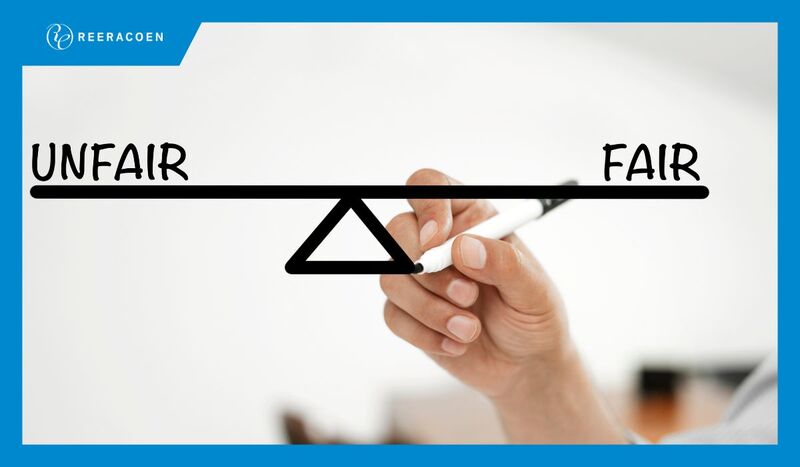
Workplace Fairness in Vietnam 2026: What Inclusive Hiring Really Looks Like Today
This article is written in English for readers in Vietnam. Vietnamese and Japanese translations are available on our website.
As Vietnam enters 2026, workplace fairness is no longer a “nice-to-have” concept. It is becoming a core business issue that directly affects talent attraction, retention, productivity, and employer reputation.
With Vietnam’s workforce growing more diverse across age, gender, education, nationality, and working styles, companies are being held to higher expectations by employees, candidates, and global stakeholders. Fairness today is not only about compliance. It is about how decisions are made, communicated, and experienced across the employee lifecycle.
Based on labour data, hiring observations, and employer practices seen across Ho Chi Minh City, Hanoi, and key industrial hubs, this article explains what inclusive hiring and workplace fairness truly look like in Vietnam in 2026 and how organisations can move from intention to execution.
Why Workplace Fairness Matters More Than Ever in Vietnam
Vietnam’s labour market is undergoing structural change.
According to the General Statistics Office of Vietnam, the country’s labour force exceeded 52 million workers in 2025, with rising participation from Gen Z, women in leadership pipelines, and skilled professionals returning from overseas.
At the same time:
-
Over 60% of Vietnamese professionals say fair treatment and transparent management influence their decision to stay with an employer
-
Multinational companies are applying global DEI and ESG standards to their Vietnam operations
-
Younger workers increasingly assess employers based on values, culture, and people practices, not just salary
In this context, workplace fairness is becoming a competitive advantage rather than a compliance exercise.
What “Workplace Fairness” Means in Vietnam Today
Workplace fairness in Vietnam does not follow a one-size-fits-all definition. Instead, it shows up in several practical areas:
-
Equal access to opportunities
-
Transparent hiring and promotion decisions
-
Consistent performance evaluation
-
Respectful management practices
-
Clear grievance and feedback channels
Fairness is not about treating everyone identically. It is about ensuring decisions are reasonable, explainable, and consistently applied.
Inclusive Hiring Starts Before the Interview
Many fairness issues begin at the hiring stage.
In Vietnam, common candidate concerns include:
-
Unclear job requirements
-
Preference for certain age groups or backgrounds
-
Limited feedback after interviews
-
Inconsistent assessment standards
Inclusive hiring practices in 2026 focus on:
-
Clearly defined job scopes and success criteria
-
Skills-based evaluation rather than background-based assumptions
-
Structured interview questions were applied consistently across candidates
-
Diverse interview panels, where possible
Employers who standardise hiring decisions reduce bias and improve quality of hire at the same time.
Fair Performance Management Builds Trust
Performance evaluation remains one of the most sensitive areas for Vietnamese employees.
According to regional HR surveys, lack of clarity around performance reviews is a leading cause of disengagement and attrition in Vietnam.
Fair performance management in 2026 includes:
-
Clear KPIs aligned to role scope
-
Regular feedback instead of once-a-year appraisals
-
Documented evaluation criteria
-
Transparent links between performance, bonuses, and progression
When employees understand how they are assessed, even difficult feedback is more likely to be accepted constructively.
Inclusion Goes Beyond Gender and Age
While gender equity remains important, inclusive workplaces in Vietnam today also consider:
-
Mid-career and senior workers adapting to new technologies
-
Young professionals seeking mentoring rather than command-style leadership
-
Employees with caregiving responsibilities
-
Cross-cultural teams working with Japanese, Korean, or Western leadership
Fairness means recognising different needs while maintaining consistent standards.
Leadership Behaviour Sets the Tone
In Vietnam’s hierarchical work culture, leadership behaviour has a disproportionate impact on perceived fairness.
Employees often judge fairness based on:
-
How managers communicate decisions
-
Whether feedback is delivered respectfully
-
How mistakes are handled
-
Whether policies are applied consistently
Companies investing in people-manager training see stronger engagement and lower turnover, especially in fast-growing teams.
Data Shows Fair Workplaces Perform Better
Studies across Asia-Pacific consistently show that inclusive and fair workplaces achieve:
-
Higher employee engagement
-
Lower voluntary turnover
-
Better employer brand perception
-
Stronger productivity outcomes
Vietnamese companies competing for skilled talent, especially in manufacturing, technology, finance, and professional services, cannot afford to overlook this link.
What Companies Can Do in 2026
Practical steps employers in Vietnam can take include:
-
Reviewing hiring and promotion criteria for clarity and consistency
-
Training managers on unbiased evaluation and communication
-
Establishing clear channels for feedback and concerns
-
Linking fairness initiatives to business outcomes, not just policies
Small improvements in process and communication often deliver outsized results.
Frequently Asked Questions (FAQ)
1. Is workplace fairness a legal requirement in Vietnam?
Vietnam has labour laws covering non-discrimination and fair treatment, but best-practice fairness goes beyond minimum compliance.
2. Do inclusive hiring practices slow down recruitment?
No. Structured hiring often improves speed and quality by reducing rework and mismatches.
3. How can SMEs implement fairness without large budgets?
Clear job scopes, consistent evaluation, and manager training are low-cost, high-impact steps.
4. Do younger Vietnamese workers care more about fairness?
Yes. Gen Z and younger Millennials place high importance on transparency, respect, and growth opportunities.
5. Can workplace fairness improve retention?
Absolutely. Perceived unfairness is a major driver of voluntary resignations in Vietnam.
Looking to build a fairer and more inclusive workplace in Vietnam?
Reeracoen works with companies across manufacturing, technology, trading, and professional services to design hiring and people strategies that attract and retain talent.
👉 Speak with Reeracoen Vietnam to discuss your hiring and workforce needs
Exploring your next career move?
Fair and transparent workplaces create better long-term careers. Our consultants support professionals in Vietnam with career guidance, market insights, and interview preparation.
👉 Submit your CV or explore opportunities with Reeracoen Vietnam
✅ Final Author Credit
-
By Valerie Ong (Regional Marketing Manager)
-
Published by Reeracoen Vietnam — a leading recruitment agency in APAC.
🔗 Related Articles
📚 References
-
General Statistics Office of Vietnam
-
Vietnam Ministry of Labour, Invalids and Social Affairs (MOLISA)
-
ILO Vietnam labour and workplace studies
-
APAC workforce and engagement surveys
-
Reeracoen Vietnam hiring observations and market insights

Disclaimer:
The information provided in our blog articles is intended for general informational purposes only. It is not a substitute for professional advice and should not be relied upon as such.
While we strive to provide accurate and up-to-date information, the ever-evolving nature of certain topics may result in content becoming outdated or inaccurate over time. Therefore, we recommend consulting with qualified professionals or experts in the respective fields for specific advice or guidance. Any actions taken based on the information contained in our blog articles are solely at the reader's discretion and risk. We do not assume any responsibility or liability for any loss, damage, or adverse consequences incurred as a result of such actions.
We may occasionally provide links to external websites or resources for further information or reference. These links are provided for convenience and do not imply endorsement or responsibility for the content or accuracy of these external sources. Our blog articles may also include personal opinions, views, or interpretations of the authors, which do not necessarily reflect the views of our organisation as a whole. We encourage readers to verify the accuracy and relevance of information presented in our blog articles and to seek professional advice when needed.
Your use of this website and its content constitutes acceptance of this disclaimer.
Related Post
 Halloween Special: 7 Hiring Mistakes That Scare Good Candidates Away in VietnamManagement
Halloween Special: 7 Hiring Mistakes That Scare Good Candidates Away in Vietnam Halloween may be a light-hearted theme, but the hiring challenges...
 Quan Hệ Kinh Doanh Việt Nam - Nhật Bản Đang Thay Đổi: Ý Nghĩa Đối Với Nhân Tài Và Chiến Lược Tuyển DụngManagement
Quan Hệ Kinh Doanh Việt Nam - Nhật Bản Đang Thay Đổi: Ý Nghĩa Đối Với Nhân Tài Và Chiến Lược Tuyển Dụng Mối quan hệ kinh tế giữa Việt Nam và Nhật...
- Vietnam–Japan Business Is Evolving: What It Means for Talent and HiringManagement
Vietnam–Japan Business Is Evolving: What It Means for Talent and Hiring Vietnam and Japan's economic relationship has been substantial for years....
 Vì Sao Nhiều Ứng Viên Chưa Chắc Giúp Tuyển Dụng Dễ Hơn? - Bài Toán Tuyển Dụng Đúng NgườiManagement
Vì Sao Nhiều Ứng Viên Chưa Chắc Giúp Tuyển Dụng Dễ Hơn? - Bài Toán Tuyển Dụng Đúng Người Một quan niệm khá phổ biến của doanh nghiệp là: nếu một...