Vietnam’s New Work Permit Rules in 2025: What Employers Need to Know
Vietnam’s New Work Permit Rules in 2025: What Employers Need to Know
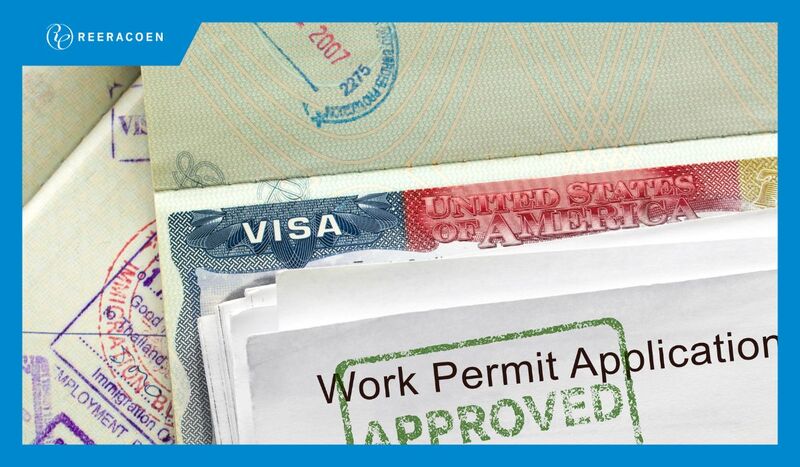
In August 2025, Vietnam announced a major update to its work permit regulations for foreign employees. The move is part of the government’s effort to streamline administrative processes, attract more skilled professionals, and align with global workforce mobility trends.
For companies operating in Vietnam, these changes are more than a policy update — they are a strategic opportunity. With the right guidance, businesses can leverage the new rules to access international talent more easily, stay compliant, and strengthen their competitiveness in a fast-changing market.
1. Why the New Rules Matter
Vietnam is competing globally for talent, especially in high-demand sectors like technology, renewable energy, engineering, and financial services. In recent years, some businesses reported delays or challenges in securing work permits for foreign staff.
The updated regulations aim to:
-
Simplify procedures for employers and employees.
-
Shorten processing times for permits.
-
Clarify documentation requirements, reducing rejection risks.
-
Encourage skilled migration into Vietnam in line with economic growth goals.
For HR leaders, this means hiring foreign professionals is now less bureaucratic and more accessible than before.
2. Key Updates in Vietnam’s Work Permit Rules (2025)
While details vary by industry and position, several important changes stand out:
-
Reduced paperwork requirements: Employers no longer need to submit overlapping documents proving business needs and job descriptions separately. Streamlined forms cut processing times.
-
Easier renewals: Renewal processes are simplified, allowing foreign employees to extend permits without excessive re-submissions.
-
Recognition of new visa pathways: The rules align with regional initiatives like the One Pass for highly skilled professionals, making Vietnam more attractive for global talent.
-
Clearer compliance guidelines: Authorities have standardized lists of required documents and eligibility criteria, reducing the risk of misinterpretation at provincial levels.
-
Faster approvals in priority sectors: Special processing tracks exist for industries critical to Vietnam’s economic strategy, such as semiconductor manufacturing, AI, and renewable energy.
3. What This Means for Employers
For businesses in Vietnam, the new rules create both opportunities and responsibilities.
Opportunities:
-
Access to global talent pools: Companies can recruit skilled professionals from abroad with fewer administrative barriers.
-
Competitive hiring: Easier permits make Vietnam more appealing compared to stricter neighboring markets.
-
Support for expansion: Firms scaling operations can onboard foreign specialists faster, avoiding project delays.
Responsibilities:
-
Stay compliant: Incorrect or incomplete submissions can still lead to penalties.
-
Track permit durations: Employers must monitor expiry dates to ensure continuity of employment.
-
Integrate with HR planning: Work permits should align with workforce strategies, especially succession planning and local talent development.
4. Alignment with the One Pass and Global Mobility
The updates echo the spirit of Singapore’s Overseas Networks & Expertise (One Pass) and other regional talent mobility schemes. Vietnam is signaling that it wants to attract top global professionals while maintaining fair rules for domestic workers.
For multinational companies, this creates an advantage:
-
They can rotate talent more easily between regional offices.
-
Vietnam becomes a stronger destination for executives and technical experts who might otherwise bypass the market due to red tape.
For local firms, this is also an opportunity to diversify teams, combining local strengths with foreign expertise in leadership and technical innovation.
5. Practical Tips for HR Leaders in 2025
To fully benefit from the new work permit rules, HR leaders should:
-
Audit your current compliance processes: Ensure your HR team understands the updated documentation and timelines.
-
Plan workforce needs in advance: Align hiring strategies with the streamlined system to secure foreign talent efficiently.
-
Train internal HR staff: Regular workshops help prevent mistakes in submission and monitoring.
-
Use external experts when needed: A compliance partner can navigate complex cases and provide peace of mind.
-
Balance local and foreign talent: While hiring international professionals is easier, investing in local upskilling remains essential.
6. The Role of Reeracoen
At Reeracoen, we support businesses in Vietnam to stay compliant and competitive. Our consultants provide:
-
Compliance checks to ensure your HR processes meet the latest government requirements.
-
Advisory services for building a balanced workforce strategy that integrates both local and international talent.
-
Insights into Vietnam’s evolving labor market, helping you plan beyond compliance and toward growth.
By combining regulatory knowledge with workforce expertise, Reeracoen helps companies navigate these updates confidently.
Frequently Asked Questions (FAQ)
1. What changed in Vietnam’s work permit rules in 2025?
The rules now feature simplified paperwork, easier renewals, and faster approvals in priority sectors, making it easier to hire foreign workers.
2. Do the new rules apply to all industries?
Yes, but priority processing is given to critical industries like technology, semiconductors, and renewable energy.
3. How do the new rules affect multinational companies?
They make Vietnam more attractive for relocating executives and technical experts, supporting regional workforce mobility.
4. How do these rules align with the One Pass?
The updates mirror regional initiatives, signaling Vietnam’s openness to highly skilled global professionals.
5. How can companies ensure compliance?
By keeping updated on requirements, training HR teams, and conducting regular compliance checks with trusted advisors like Reeracoen.
Tap into global talent with confidence.
Contact Reeracoen Vietnam to align your HR strategy with the latest work permit regulations.

Disclaimer:
The information provided in our blog articles is intended for general informational purposes only. It is not a substitute for professional advice and should not be relied upon as such.
While we strive to provide accurate and up-to-date information, the ever-evolving nature of certain topics may result in content becoming outdated or inaccurate over time. Therefore, we recommend consulting with qualified professionals or experts in the respective fields for specific advice or guidance. Any actions taken based on the information contained in our blog articles are solely at the reader's discretion and risk. We do not assume any responsibility or liability for any loss, damage, or adverse consequences incurred as a result of such actions.
We may occasionally provide links to external websites or resources for further information or reference. These links are provided for convenience and do not imply endorsement or responsibility for the content or accuracy of these external sources. Our blog articles may also include personal opinions, views, or interpretations of the authors, which do not necessarily reflect the views of our organisation as a whole. We encourage readers to verify the accuracy and relevance of information presented in our blog articles and to seek professional advice when needed.
Your use of this website and its content constitutes acceptance of this disclaimer.
References & Further Reading
Related Post
 “Tôi luôn ở đây vì bạn”: Khi Reeracoen Way không chỉ còn là lời nóiGeneral
“Tôi luôn ở đây vì bạn”: Khi Reeracoen Way không chỉ còn là lời nói Tại một ngôi làng dành cho trẻ em ở Philippines, cách xa những văn phòng...
- “I’m Here for You”: When the Reeracoen Way Became More Than WordsGeneral
“I’m Here for You”: When the Reeracoen Way Became More Than Words In a children’s village in the Philippines, far from Reeracoen’s offices across...
 3 Thách thức Tuyển Dụng Nhân Sự Lớn Doanh nghiệp Việt Nam Phải Đối Mặt trong 2026General
3 Thách thức Tuyển Dụng Nhân Sự Lớn Doanh nghiệp Việt Nam Phải Đối Mặt trong 2026 KẾT QUẢ CHÍNH — Báo cáo Xu hướng và Kỳ vọng Người Lao động Việt...
- The Triple Constraint: Why Vietnam Employers Are Losing the Talent War on Three Simultaneous Fronts in 2026General
The Triple Constraint: Why Vietnam Employers Are Losing the Talent War on Three Simultaneous Fronts in 2026 KEY FINDINGS — Vietnam Worker...